
Secure Download
Secure Download
Audacity is still a popular choice, so many users ask Should I use Audacity or Is Audacity still good? In this Audacity audio recorder review, the short answer is yes, especially if you need a free audio editor for voice recording, music, or podcasts. From hands-on use, Audacity remains a reliable tool for clean recording and detailed editing, even in the latest version. It offers strong tools for sound cleanup, multi-track work, and export control. This makes it useful as podcast editing software and for basic audio projects. This post covers everything you need to know about using Audacity for audio recording. We will help you understand what Audacity can do, how well it records audio, and whether it is the right tool for your needs. By the end, you will understand its strengths, limitations, and best use cases, allowing you to determine if Audacity remains a suitable choice for audio recording today.
Audacity audio recorder is an open-source audio editing and recording software. It lets you record live sound, edit audio tracks, and mix multiple sounds. This makes it useful for music, podcasts, voiceovers, or cleaning up audio recordings. Audacity’s core recording features include capturing live audio through a microphone or mixer, as well as recording multiple tracks. It can also convert old media, such as tapes, into digital sound.
Furthermore, this audio recording software lets you cut, copy, paste, apply effects, and export files in various formats. Audacity stands out because it is completely free with no subscriptions. It is open for anyone to modify and improve, easy enough for beginners, yet powerful enough for advanced users. Its simple layout and tools make it accessible to new users. Meanwhile, plug-in support and detailed editing help users create better sound projects.
| At a Glance: Audacity 2026 Verdict | |
| Best For: | Podcasters, voiceover artists, and DIY musicians who need a powerful, zero-cost workspace without the bloat of professional DAWs. |
| Key New Feature (2026): | Seamless integration of AI-driven noise suppression and non-destructive editing, allowing you to tweak effects without permanently altering your raw audio file. |
| Final Verdict: | While its interface remains "retro," Audacity remains the king of free audio editors in 2026. It's a must-have for clean, high-bitrate vocal recording, though power users may still need plugins for advanced mastering. |
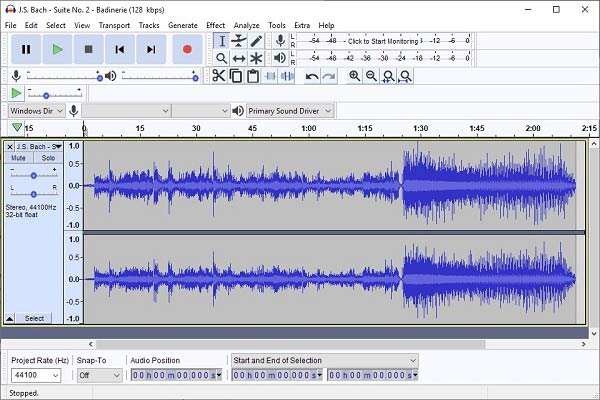
Installing Audacity sound recording software is straightforward, as it is free and compatible with Windows, macOS, and Linux. When you open it for the first time, you see a clean layout with a timeline, play/record buttons, and menus at the top. The interface displays your audio as waveforms, allowing you to easily see what you’ll edit. The workflow feels straightforward. Everything loads quickly, and even beginners can learn the basic controls without much confusion.
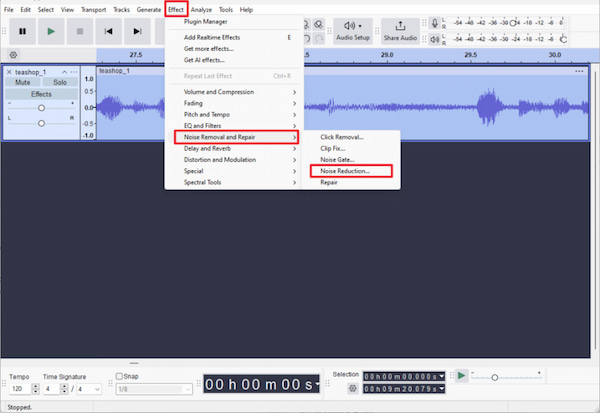
Audacity’s core editing tools help make your audio sound clearer and balanced. Noise reduction allows you to remove background noise by first sampling the unwanted sound and then reducing it from the recording. Normalization ensures the audio volume remains even throughout the entire track, making quiet and loud parts feel more consistent. Trimming allows you to easily cut out silence or unnecessary parts. These tools are powerful yet simple to use, allowing even new users to enhance audio quality.
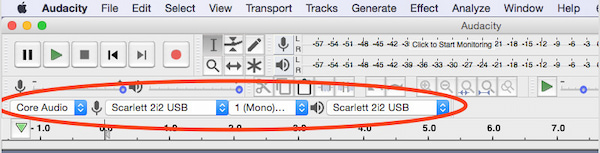
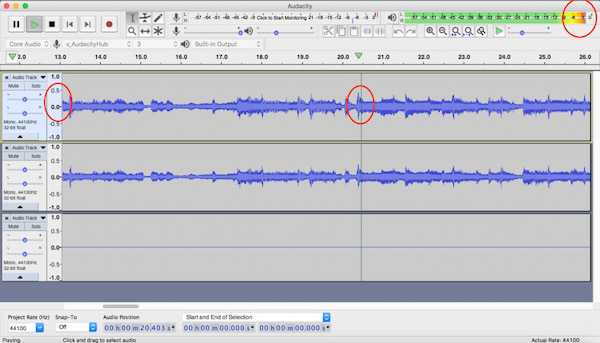
Audacity voice recorder lets you record directly from a microphone, line input, or USB audio device. When you test it with a live microphone, you can see sound levels in real-time. You can even adjust your input before you start recording to avoid clipping or distortion. Recording system audio usually requires extra setup, but once done, you can capture audio playing from your speakers. In real-world use, the mic recording feels clear and accurate.
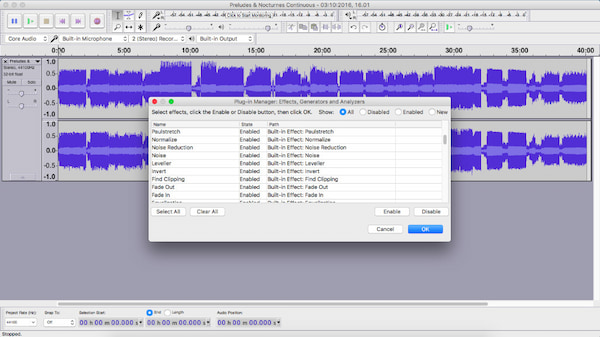
Audacity supports numerous plugins that extend the capabilities of what you can do with sound. These include VST, VST3, LV2, LADSPA, and Nyquist formats. You can add these to achieve extra effects, such as echo, reverb, distortion, or advanced noise reduction. Some plugins come built-in, and many more are available online. You install them through the plugin manager, so they appear in the effects menu. This makes Audacity more flexible, because you can choose tools that fit your project.
Want tools like Audacity with more features? Explore the top Audacity alternatives here.
Before using any recording tool, it is essential to understand its strengths and limitations. Knowing Audacity’s pros and cons is important because it helps you decide if the tool fits your audio recording needs. Understanding the pros helps you see what the software does well. Meanwhile, knowing the cons helps you avoid problems and set the right expectations. By examining both sides, you can determine whether Audacity audio recording is suitable for voice recording, system audio capture, and sound editing tasks.
What You’ll Like:
What to Consider:
Audacity audio recording software is a powerful and free audio recorder and editor. However, its primary focus is on audio editing and capturing mic/system sound. It doesn’t include native screen recording features, a limited audio capture setup, and confusing system sound or video-related tasks. Due to these limitations, many individuals seek more comprehensive tools that can seamlessly handle both high-quality audio and screen capture.
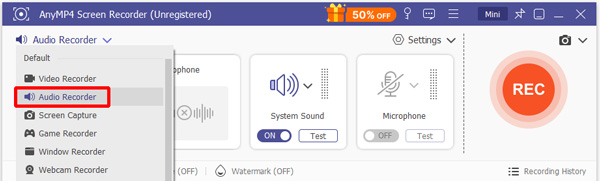
AnyMP4 Screen Recorder is a one-stop Audacity alternative for Windows and Mac systems. It combines flexible audio recording with full-screen and video capture features in one tool. It can record high-quality audio from your computer’s system sound and microphone. Additionally, you can record both your system sound and microphone simultaneously. After recording, you can quickly trim or cut audio clips directly within the program, eliminating the need for a separate audio editor.
Secure Download
Secure Download
Not to mention, it is equipped with seven unique recording modes. This includes Screen Recorder, Audio Recorder, Screen Capture, Game Recorder, Window Recorder, Webcam Recorder, and Phone Recorder. These modes enable you to record video tutorials, meetings, gameplay videos, online courses, webcam feeds, phone displays and take screenshots. If you need a tool that goes beyond audio editing and recording, AnyMP4 Screen Recorder is a strong choice.
| Audacity | VS | AnyMP4 Screen Recorder |
| Free, open-source | Cost | Free, with upgrades starting at $12.45 |
| Moderate | Ease of Use | Easy |
| Yes | Noise Reduction | Yes |
| Yes | Multi-Track Editing | No |
| Audio recording/editing, podcasts, and detailed sound work | Best For | Audio + screen recording, meetings, conferences, video tutorials, online classes, gameplay highlights, and more |
Q: Is Audacity completely free?
A: Yes. Audacity is completely free and open-source audio editing software. It works on Windows, macOS, and Linux operating systems. You can use it for personal, educational, or commercial projects. There are no subscriptions, paid upgrades, or locked features, so everyone gets full access at no cost.
Q: Can Audacity record system audio directly?
A: Yes. Audacity can record system audio directly on Windows by using Windows WASAPI (loopback). This captures sound playing through your speakers or headphones. On macOS, system audio recording requires additional tools, such as BlackHole, to route sound properly.
Q: Does Audacity have a noise reduction feature?
A: Yes. Audacity includes a built-in Noise Reduction tool. It can remove steady background sounds, such as hums, fans, or hiss. You first select a short noise sample, then apply the effect to the whole track. It also offers other tools, such as a Noise Gate, to handle different noise problems.
Q: Does Audacity support real-time effects?
A: Yes. Starting with version 3.2, Audacity supports real-time effects using third-party plugins like VST, AU, LV2, and LADSPA. These effects can be added to tracks and adjusted while the audio plays, allowing you to hear the changes instantly.
In conclusion, Audacity audio recording is a reliable and powerful solution for anyone looking for a free audio editor or podcast editing software. Its features, like noise reduction, multi-track editing, and support for system audio make it a strong choice for high-quality audio projects. However, if you need a tool that can capture both audio and screen or offers easier system audio recording with built-in editing tools, AnyMP4 Screen Recorder is a great alternative. Try it today to effortlessly record lossless audio, system sound, and microphone input.
Secure Download
Secure Download
 Updated by Mark Cristobal to Edit Audio
More readings
 Ultimate Tutorial to Merge Multiple Audio Tracks with Audacity
Want to merge multiple audio tracks? Audacity is a good tool for you. This post will teach you how to merge audio tracks into one using the famous Audacity.
 How to Reduce the size of Audio in Audacity with 3 Steps
Learn how to reduce the size of music in Audacity with three steps. We will teach you concise details on the best settings for Audacity and tips about it.
 OBS Screen Recorder | Here’s What Nobody Tells You About It
Master OBS Screen Recorder with our deep-dive review. We benchmark 1080p/4K performance, troubleshoot black screens, and compare it to streamlined alternatives.
 Is Fraps Still Good? Fraps Screen Recorder Review
Fraps screen recorder was once the king of game recording, but is it still usable today? Read our review covering performance, file sizes, and best alternative.
 Add your comments to join the discussion here