How to Convert OGG to MP3 - Play Game Audio Anywhere
Key Takeaway:
- Why Convert OGG to MP3: OGG (Vorbis/Opus) offers great compression for game audio and open‑source projects, but Apple iOS, native Windows Media Player, and legacy car stereos flat‑out refuse to play it.
- Fastest Online Fix: Use AnyMP4 Free Online Audio Converter in your browser if you have under 5 files and want zero software installs.
- Fastest Batch Fix: Use AnyMP4 Video Converter Ultimate to convert hundreds of OGG game audio tracks to MP3 in seconds with full ID3 tag preservation.
- Recommended Settings: Export MP3 at 320 kbps (CBR) to ensure maximum device compatibility without destroying sound clarity.
If you have ever tried dragging an OGG folder of ripped game music or Linux audio dumps into iTunes or onto your iPhone, you have likely run into an annoying wall: total silence, or a greyed‑out file that refuses to open. Why? OGG is an open‑source container format, usually packing OGG Vorbis or OGG Opus audio streams. However, iOS devices, most car dashboards, standalone MP3 players, and smart speakers cannot play OGG files natively.
When you just want your game soundtracks or audio rips to play on your phone during a commute, you need a reliable OGG to MP3 converter. In this guide, we tested 5 methods to convert OGG to MP3 quickly without losing audio quality or album metadata.
|
Platform |
Best For |
Key Advantage |
| AnyMP4 Free Online Converter |
Web Browser |
1 to 5 quick files |
Zero installation; web‑based |
| AnyMP4 Video Converter Ultimate |
Windows, Mac |
Bulk folders & game OSTs |
Hardware‑accelerated batch encoding |
| Foobar2000 |
Windows, Mac, iOS, Android |
Music collectors |
Flawless ID3 tag and metadata preservation |
| Audacity |
Windows, Mac, Linux |
Game audio loops |
Edit waveform & trim silence before exporting |
| Fre:ac |
Windows, Mac, Linux |
Cross‑platform power users |
100% free multi‑threaded batching |
1. AnyMP4 Free Online Audio Converter - Best for Quick Web Conversions
Best For: Anyone who needs an OGG to MP3 online solution to fix a few stray game audio clips right now without installing desktop software.
If you only have a couple of OGG sound effects, downloading a heavy desktop application is overkill. AnyMP4 Free Online Audio Converter lets you convert OGG to MP3 online directly inside your web browser.
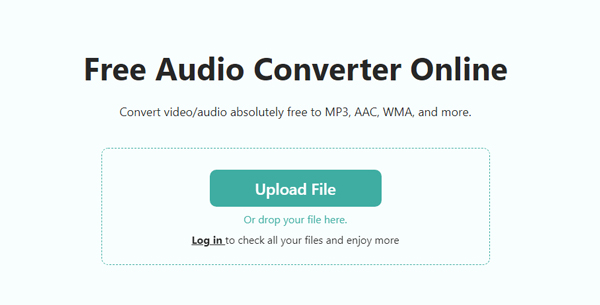
1. Upload OGG File
Navigate to the AnyMP4 Free Online Audio Converter in Safari or Chrome. Click the Upload File button to browse your local computer drive, choose your .ogg file, and confirm to load them into the web interface.
2. Choose MP3 & Adjust Bitrate
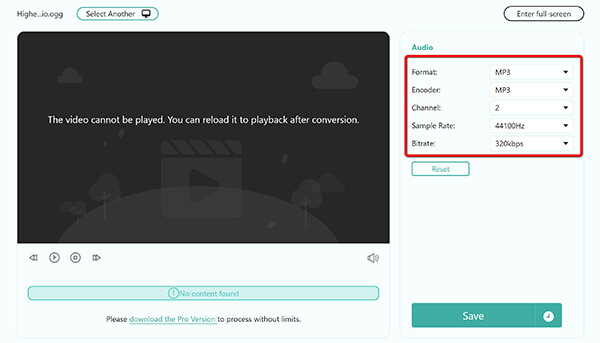
Select MP3 from the right audio output format drop‑down option. Next to the output format, set the Audio Bitrate to 320 kbps, and ensure the sample rate is set to 44100 Hz.
3. Convert & Save MP3
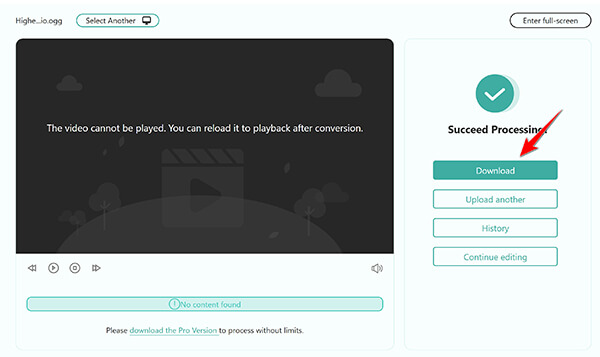
Click Save, and wait for the file to finish processing. Once the conversion is complete, you can download the converted MP3 file to your computer.
Personal experience:
Unlike other online tools that restrict you to 50 MB or force you to wait in a 10‑minute web queue, AnyMP4's browser tool uploaded our 15 MB OGG Vorbis track in under 10 seconds. There were no ads or watermark while uploading or converting the OGG file, and the exported 320 kbps MP3 sounded is fast. The only drawback is it does not support batch conversion.
2. AnyMP4 Video Converter Ultimate - Best for Massive Batch Libraries
Best For: Gamers, modders, and music archivists needing to batch convert OGG to MP3 folders containing hundreds of tracks.
When you extract a massive game asset archive containing 200+ OGG Vorbis files, browser converters will crash your tab. AnyMP4 Video Converter Ultimate is a dedicated desktop OGG to MP3 converter built to handle fast conversion with GPU acceleration support. Besides, its toolbox with audio editor supports audio metadata editing, audio trim, and so on.
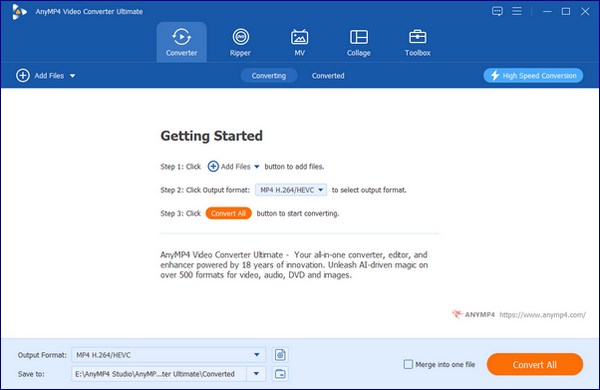
1. Import Your OGG Audio Files
Open the software. Click Add Files > Add Folder in the top‑left corner, or drag your entire extracted game directory directly into the workspace.
2. Select MP3 320 kbps Output
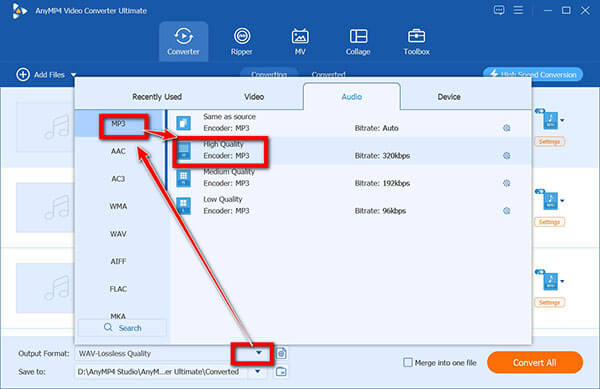
Click the Convert All to dropdown in the top right. Head to the Audio tab, pick MP3, and select High Quality (320 kbps).
3. Convert All OGG Files
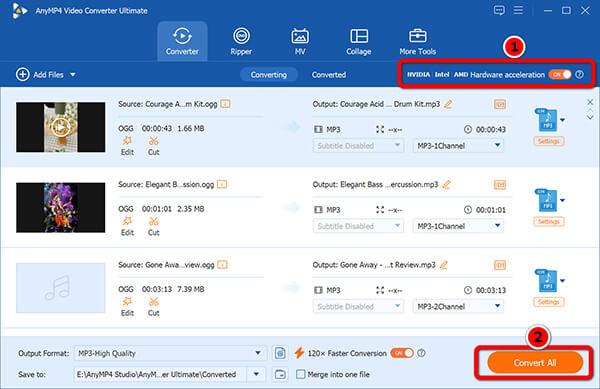
Ensure the GPU Acceleration toggle (the lightning bolt icon) on the top‑right bar is enabled to utilize your graphics card for encoding.
Choose your destination folder in the Save to field at the bottom, then click Convert All.
Personal experience:
We queued 250 OGG Vorbis game audio tracks (1.1 GB total). On standard CPU processing, this usually takes 5+ minutes. With AnyMP4's GPU hardware acceleration engaged on our test machine, the app chewed through all 250 files in 1 minute and 12 seconds. CPU load stayed under 20%, and all ID3 tags (Track Title, Album Name, Embedded Cover Art) carried over to the MP3s perfectly.
3. Foobar2000 - Best for Audiophiles & Metadata Preservation
Best For: People who love MP3 music and want to keep all their song names and track numbers safe.
Many bad apps will erase your song info. Your songs just become a big mess of Track 01. But Foobar2000 is smart. It saves all your OGG song details perfectly when it changes them to MP3.
1. Add OGG Files to Foobar2000
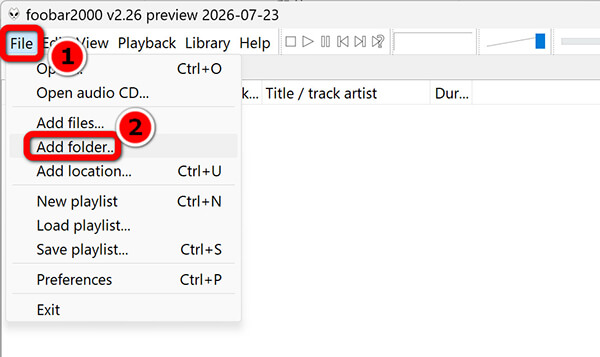
Run Foobar2000 on your computer. Go to File > Add Folder... and select your OGG folder.
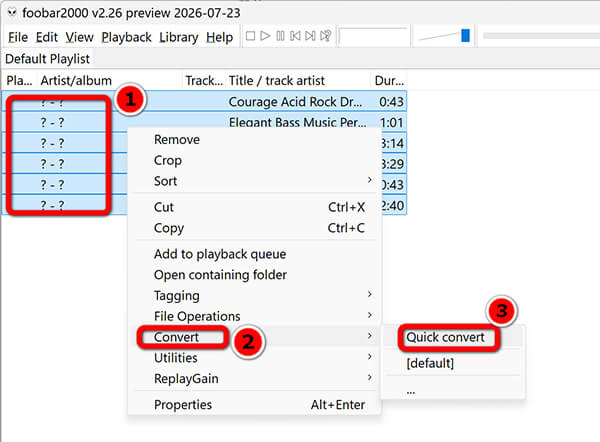
2. Highlight OGG Files for Converting
Highlight the loaded OGG tracks in your playlist (Ctrl + A), right‑click the selection, and hover over Convert > select Quick Convert.
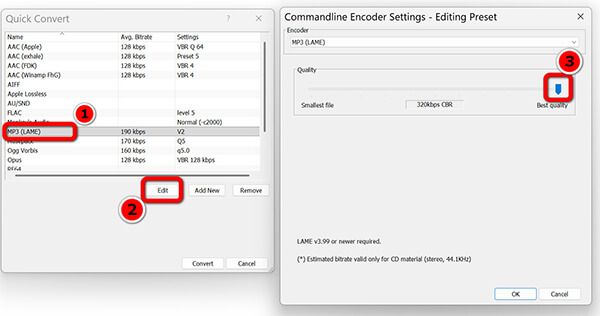
3. Set Target Codec to MP3
Click Output format, highlight MP3 (LAME), and adjust the quality slider to 320 kbps (CBR) by clicking the Edit button. Click Back.
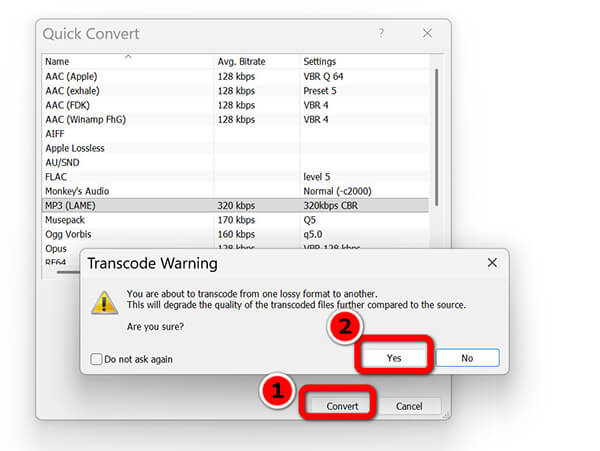
4. Convert OGG to MP3
Click the Convert button, specify where your converted MP3s should be saved, and hit Select Folder.
Tips
If you are using an older version of Foobar2000, it might pause mid‑conversion asking for lame.exe. Don't panic! Modern Foobar2000 v2.0+ builds include the Free Encoder Pack bundled in. Download the official encoder pack installer from the Foobar2000 site to fix this permanently.
Personal experience:
What we love most is how it keeps your song info safe. We changed 50 game songs all at once. Foobar2000 did not mess up a single Japanese word or song name. It also barely used any power on my computer. It is the lightest app we have ever tried!
4. Audacity - Best for Trimming & Editing Game Loops
Best For: Content creators who need to edit, cut dead silence, or adjust volume levels on extracted game audio before saving as MP3.
Extracted OGG game audio loops often contain 2 seconds of awkward dead silence at the beginning, or end abruptly without a smooth fade‑out. Audacity lets you edit the waveform before you export to MP3.
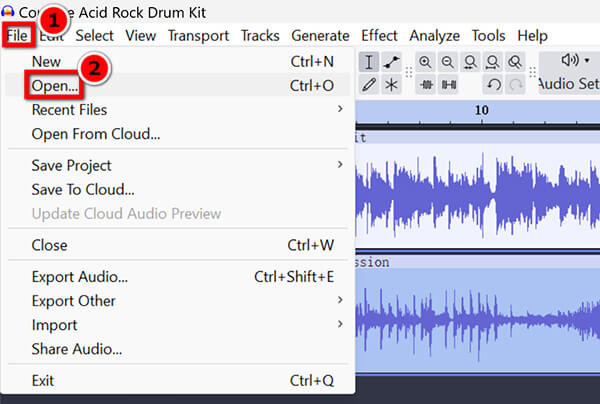
1. Load Your OGG File
Open Audacity, click File > Open, and select your .ogg track to display its visual audio waveform.
Note
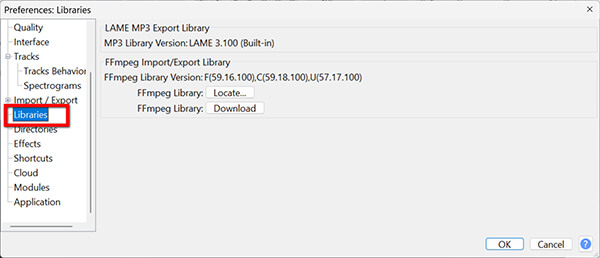
Stock Audacity can open basic OGG Vorbis files natively, but if your game audio is encoded in newer OGG Opus, Audacity will throw an Unrecognized File Type error. Go to Edit > Preferences > Libraries and install the FFmpeg Import/Export Library to open any OGG variant effortlessly.
2. Trim Silence & Apply Fade
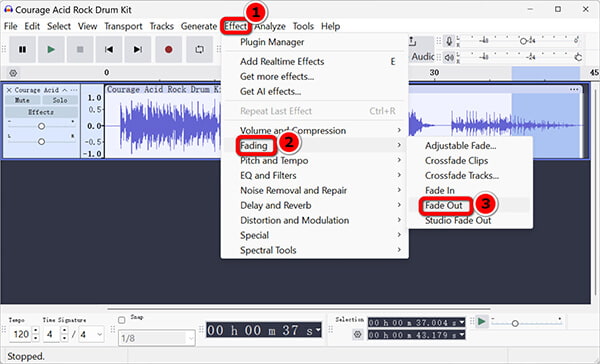
Click and drag your mouse over any unwanted silent gap at the start or end of the track and hit Delete. Highlight the last 3 seconds and go to Effect > Fading > Fade Out.
Besides, if your OGG files are noisy, use Audacity to remove the background noise before exporting.
3. Select MP3 Format
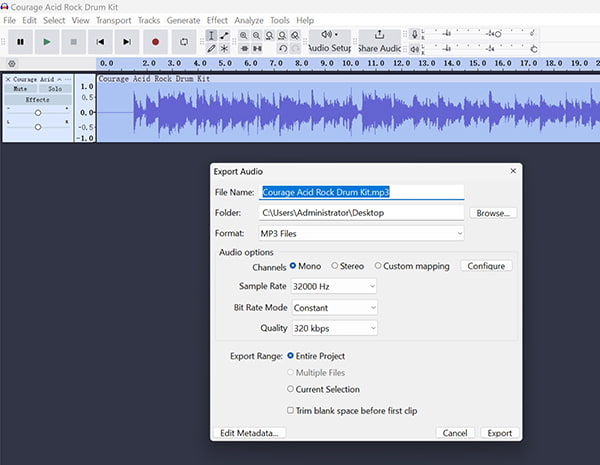
Navigate to File > Export Audio.... Choose MP3 Files from the format selection menu.
4. Save Converted MP3
Set the Bitrate Mode to Preset or Constant, then select 320 kbps, click Export, and enter your track title details.
Personal experience:
Audacity is an editor first, converter second. When we tested a game background track that ended abruptly, we used Audacity's Envelope tool to add a smooth 2.5‑second fade‑out before exporting to MP3. The audio waveform rendered cleanly, and we were able to boost the output volume (Normalization) by +2dB so the track played at equal volume to our other phone music.
5. Fre:ac - Best Open‑Source Batch Converter
Best For: Anyone using Windows, Mac, or Linux who wants a truly free app to change OGG to MP3.
Fre:ac is a great free OGG converter program. You can use it to fix tons of OGG files at once. You will not see any ads or have to pay a single cent.
1. Add OGG Audio Files
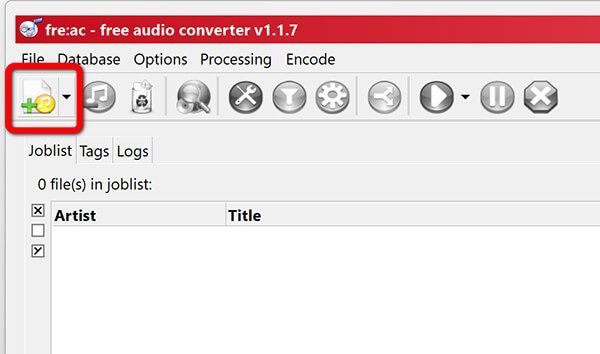
Launch Fre:ac. Click the Add audio files icon (the plus sign on the top left) and select your OGG files or folders.
2. Select LAME MP3 Encoder
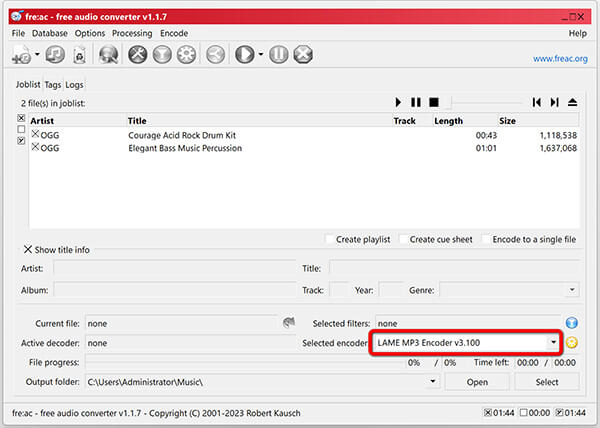
At the bottom of the window, ensure Selected encoder is set to LAME MP3 Encoder.
3. Configure 320 kbps Export
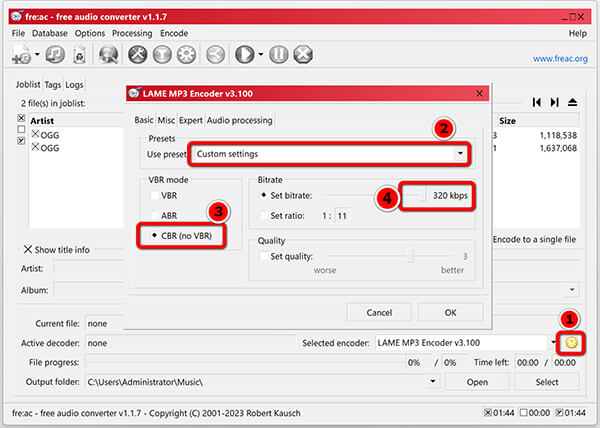
Click the gear icon next to the encoder menu, choose Custom settings, select CBR, then set the bitrate to 320 kbps, and click OK.
4. Start Batch Conversion
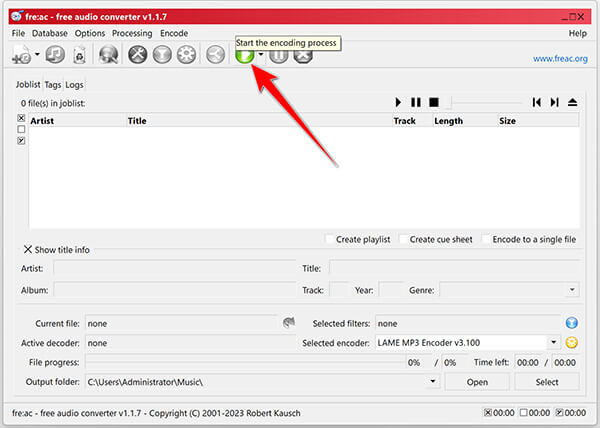
Choose your output directory at the top bar and click the green Play (Start the encoding process) button on the top toolbar.
Quick tip
Fre:ac can delete your old files if they share the exact same name. It does not warn you. Just make a new folder first before hitting Start.
Personal experience:
Fre:ac's biggest strength is native Multi‑Core CPU Pushing. When we initiated a batch convert of 100 OGG tracks, Fre:ac automatically spun up 16 individual CPU threads‑encoding 16 audio files simultaneously. The CPU utilization hit 98% for about 12 seconds, and the entire folder was converted to 320 kbps MP3s almost instantaneously.
OGG vs MP3: The Open‑Source vs Universal Standard
OGG is an open‑source container format, usually packing OGG Vorbis or OGG Opus audio streams. Game developers love it because it is royalty‑free and lightweight. Indie studios, game engines (like Godot or Unity), and streaming platforms use OGG to squeeze soundtrack loops into tiny file sizes.
Why convert from OGG to MP3 if OGG Vorbis is technically a modern codec? Here is how they compare in real‑world usage:
|
OGG (Vorbis / Opus) |
MP3 (MPEG‑1 Audio Layer III) |
| Licensing |
Open‑Source & Royalty‑Free |
Universal Royalty‑Free Standard |
| Codec Efficiency |
High audio quality at lower bitrates (128–160 kbps) |
Requires 320 kbps for identical sound fidelity |
| Device Compatibility |
Poor (iOS fails natively, legacy car stereos ignore it) |
100% Universal (Plays on literally every digital device) |
| Primary Use Case |
Game engines (Unity/Unreal), Spotify streams, Linux |
Offline music playback, phone ringtones, DJ gear |
The Verdict: OGG wins on technical efficiency for game developers, but compatibility always wins in the real world. An OGG file is useless if your phone refuses to play it.
FAQs
How to convert OGG to MP3 on iPhone?
Since iOS doesn't support OGG natively, you can't open or convert OGG files using stock Apple apps. Open Safari on your iPhone, navigate to AnyMP4 Free Online Audio Converter, upload your .ogg file, set the output to MP3, and tap download. The finished MP3 file will save directly into your iOS Files app.
Why can't my phone play OGG files?
If you have an Android, they usually work fine. iPhones and iPads are different. They do not know how to read OGG files. Your phone's music player will just ignore them. You have to get an OGG player app like VLC to make it work.
Which sounds better at the same bitrate‑ OGG Vorbis or MP3?
At bitrates below 192 kbps, OGG Vorbis sounds noticeably better due to modern perceptual encoding algorithms. However, once you transcode or export to MP3 at 320 kbps (CBR), the human ear cannot tell the difference between the two formats.
Conclusion
Just have a few OGG files for your phone? Use AnyMP4 Free Online Audio Converter to convert OGG to MP3. It works on the web. No install needed.
Got a ton of music? Get AnyMP4 Video Converter Ultimate or Foobar2000. They change lots of OGG files to MP3 fast. You keep all your song info and cover art, too.
Free download this software to change your OGG to MP3 immediately.


 Add your comments to join the discussion here