How to Add Background Music to Video: A Step-by-Step Guide (2026)

To add music to a video, there are many tools:
- • Best for PC/Mac: AnyMP4 Video Converter Ultimate (No watermark, supports 8K/4K, frame-accurate syncing).
- • Best for Quick Edits: Online tools like Clideo (Browser-based, no installation required).
- • Best for Social Media: Mobile apps like InShot (Ideal for TikTok and Instagram Reels).
Tip: Always use royalty-free music to avoid copyright strikes on YouTube and TikTok. For professional results, apply a fade-in/out effect to make transitions seamless.
When you edit video for uploading to YouTube, Instagram or other platforms, you like to mute the source audio track and change the background music. Are you looking for a simple way to add music to video?
You should know that; background music plays an important role in a video. And some social and video sharing app like TikTok provides you with many audio tracks and music to make your video more attracting. However, under most circumstances, you need to add background music to video by yourself before sharing.
Which Tool is Best for Adding Music to Video
| Feature |
AnyMP4 (Software) |
Online Tools (Clideo) |
Mobile Apps (InShot) |
| Best For |
Pro-level, Large Files |
Quick Edits, One-time |
Social Media, Reels |
| Watermark |
 |
 (Free version) (Free version) |
(with ads) |
| Audio Sync |
Frame-accurate |
Basic |
Easy Drag-and-drop |
| AI Features |
AI Noise Removal |
Limited |
AI Music Sync |
Method 1: Best Way to Add Music to Video on Windows & Mac (Pro Choice)
Key Features of AnyMP4 Video Converter Ultimate
If you are editing a video on your computer and want to add your favorite song to video, you should use the all-featured video editor and converter, Video Converter Ultimate. It offers a simple way to change background music and add new audio track to your video. This video editor highly supports all frequently-used video and audio formats including MP4, MOV, MKV, AVI, FLV, WMV, WAV, AAC, MP3, M4A, FLAC, APE, and more. You can freely add any audio to video.
Features
- Easy edit video and create professional-grade video with photos, video clips, and music.
- Supply many editing features like trim, crop, rotate, watermark, 3D, enhance, effects and more.
- Support the video editing and converting of 8K/5K/4K UHD, 1080p/720p HD and SD video.
- Offer toolbox of Media Metadata Editor, Video Compressor, GIF Maker, 3D Maker, and Video Enhancer.
1.To add music to video, you should free download Video Converter Ultimate on your computer first. When you enter it, ensure you are under the Converter feature and then click Add Files to import your video file. Here you are also allowed to directly drag the video to this program for the adding.
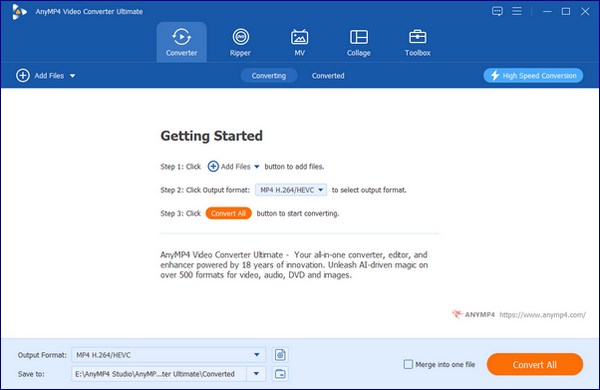
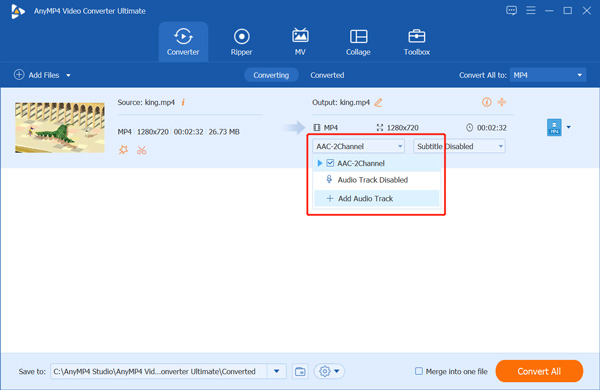
2.On the right side of your loaded video, click on the audio box, and then select the Add Audio Track option from the drop-down list. Now a pop-up window will appear on the screen for you to select and add a music file.
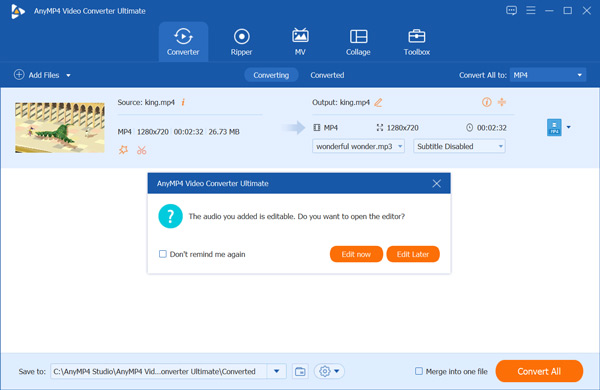
3.After you add an audio file, you will get a prompt saying The audio added is editable. Do you want to open the editor? Click Edit now button to enter the audio editing window.
4.Now you can custom the audio volume, delay effect, and do more operations on the audio track. You are able to add one, two or more background music to your video. Click OK button to save the changes.
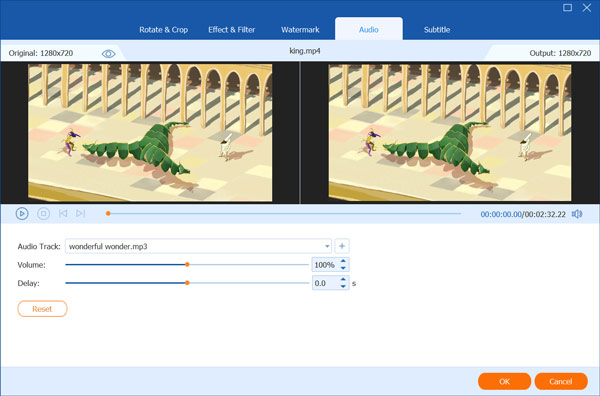
5.You will be taken back to the home window. As you can see, you can also add new subtitle to video according to your need. Moreover, many editing features are designed in this video editor, you can use them to edit your video, adjust effects, and enhance its quality. Just simply click on the Edit icon to access these editing features.
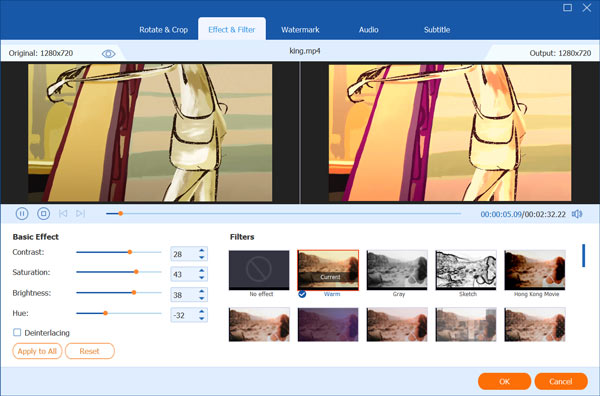
6.Select a suitable output format from the Convert All to, and then click on the Convert All button. The background music will be added to your video with ease.
How to Sync Audio with Video Beats Exactly
During the process, many people may have encountered the problem of audio and video being out of sync. Read the following steps to learn how to sync audio with video beats exactly.
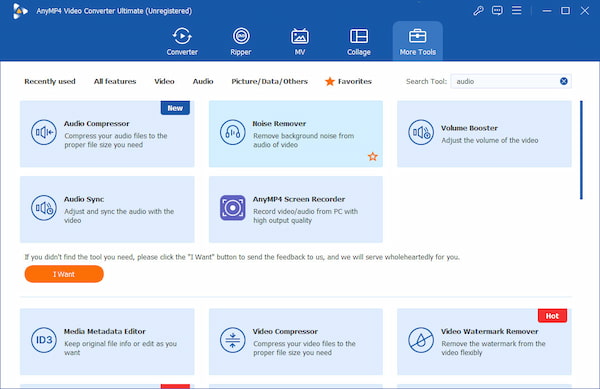
1.Open the Audio Sync Tool
In the AnyMP4 Video Converter Ultimate, locate the span>More Tools section. Choose and open the Audio Sync tool on it.
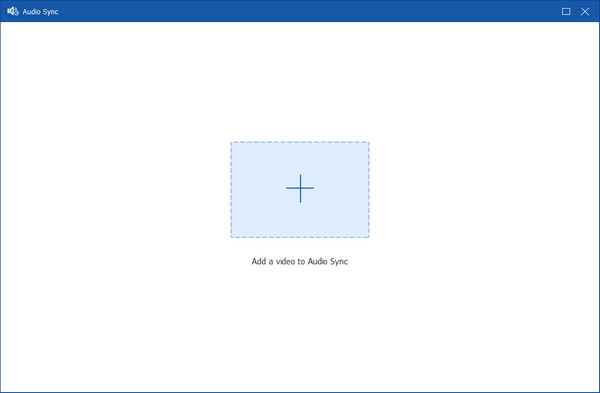
2.Import Video to the Tool
Click the central + button to import the video file you want to sync audio.
3.Sync Audio with Video and Export
Use the provided settings to adjust them. Once done, click Export to save the video to your computer.
Tip: Always keep your background music at a volume between 10% and 20% if someone is speaking. Your voice should be the star, and the music should be the 'vibe.'
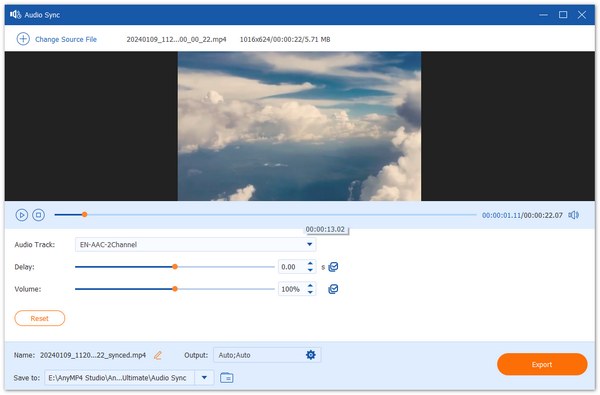
With this versatile tool, you can easily add music to videos and solve the audio sync problem. For better video and audio effects, you can use other tools like Noise Remover to make your video perfect. However, it lacks advanced features for you to adjust audio and video with precision. It is a paid software, and you can try its free trial first.
Method 2: How to Add Background Music to Video Online for Free
PowerPoint allows you to add closed captions to videos embedded in your presentation. It supports caption formats such as VTT and SRT, making it easy to synchronize subtitles with video playback. Once added, your audience can view captions directly within your slides. This feature works for local video files you insert into PowerPoint.
Here’s how to add PowerPoint subtitles to embedded videos:
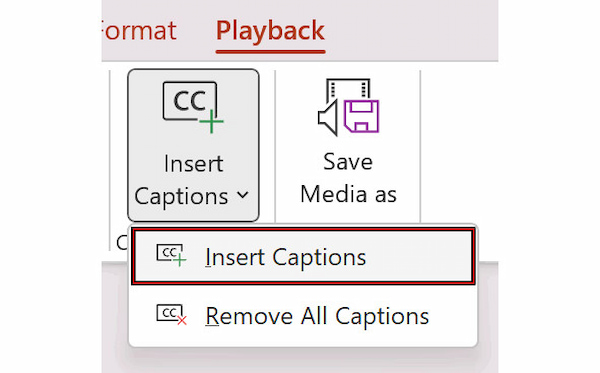
1.In Normal View, open the slide that contains the video where you want to add captions. Click the video to highlight it and to activate the Video Tools options in the ribbon. Navigate to the Playback tab, click Insert Captions, and choose Insert Captions again.
Are you unsure about how to embed an MP4 file in PowerPoint? This guide shows you how.
2.In the dialog box, browse for your .vtt or .srt file, select it, and click Insert. PowerPoint will attach the caption file to the video. Play the video inside your slide to ensure that the captions appear correctly and the timing matches the video.
Note: Use WAV if you’re doing heavy editing for the best quality; otherwise, stick to 320kbps MP3 or M4A to keep the sound crisp without eating up all your storage.
Adding subtitles to embedded videos in PowerPoint can improve the accessibility of your presentation. When everything works smoothly, you can create an SRT file for PowerPoint videos. However, captions cannot be added to online videos such as YouTube links.
Method 3: Adding Audio to Video on iPhone & Android (TikTok/Reels Style)
Whether you are using an iPhone, iPad or Android phone, you can easily find some third-party video editor apps to help you add background music to video. If you don't know which one you should use, you can give the popular InShot app a try. It is compatible with both iOS and Android devices.
1.First, you should go to App Store or Google Play Store to install the InShot app on your phone.
2.Open InShot and tap the Video option under Create Now. You should allow access to your library and then add your video to this app. Then tap Music option, choose Tracks to select a suitable audio track. Tap Use to confirm your operation. After that, you are allowed to edit the added music in the timeline to fit your video.
Note: Aim for 48kHz for both your audio and video settings. Matching these prevents those annoying 'popping' sounds or sync drifts.
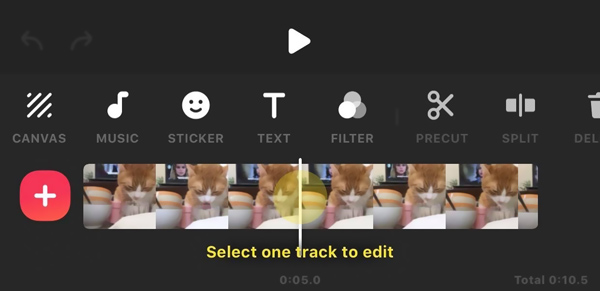
As a professional video editor, InShot contains various editing functions and filters for you to adjust video and audio effects. In addition, it comes with a solid built-in library of royalty-free music and fun sound effects that are ready to use. However, the free version would add watermarks to the output files.
Bonus: Top 5 Free Royalty-Free Music Sites for Your Videos
'Royalty-free' doesn't always mean 'free of charge.' It means you pay (or get for free) a license once, and you don't have to pay a 'royalty' every time the video is played. For creators on a budget, there are several 'No Copyright' or 'Creative Commons' gems out there where you can get high-quality tunes without spending a dime. To create high-quality content, these music sites are suitable for you:
- • Pixabay Music: This is a powerhouse. It’s mostly CC0 (Creative Commons Zero), meaning you can use the music for almost anything without even giving credit (though it’s always nice to do so!).
- • Bensound: Perfect if you want that 'corporate' or 'vlog' vibe. They have a huge 'Free License with Attribution' section. Just remember: you must credit them in your video description.
- • YouTube Audio Library: Located right inside your YouTube Studio. This is the safest bet because YouTube has already cleared these tracks for monetization. No surprises here.
- • Uppbeat: Great for 'modern' sounding tracks (Lo-fi, Indie, etc.). You get a certain number of free downloads per month, and they give you a 'credit' text to paste so you don't get flagged.
- • Free Music Archive (FMA): A bit more 'indie' and 'experimental.' It’s a massive library, but watch the license types - some tracks allow commercial use, while others are for personal projects only.
Part 6. FAQs on How to Add Music to a Video
How do you add free music to iMovie?
Whether you are using iMovie on a Mac or iOS device like iPhone or iPod, you can simply choose the Add Media button and then Audio to select and add free music to iMovie.
How to add music to Instagram video?
To add music to an Instagram video post, Story or Reel, you can use the methods and video editors above to get the job done.
How to add music to YouTube video?
When you need to add background music to your YouTube video, you can rely on its default editor. Just sign in to YouTube Studio, click on Content on the left menu, and then select the video you want to add music. Click Editor option and then use filters to find a new audio track in the audio row. When you locate the right audio track, you can click Add to add it to the YouTube video.
Will adding copyrighted music to my YouTube video get it banned?
Not always 'banned,' but it’s risky. YouTube’s Content ID system will usually flag it immediately. Best case? The owner takes your ad revenue. Worst case? Your video gets blocked globally, or you get a copyright strike, which can kill your channel. If you want to stay safe, stick to the YouTube Audio Library - it’s full of high-quality, royalty-free tracks that are guaranteed not to get you flagged.
How can I remove the original audio while adding new music?
It’s actually super easy. Most free editors like CapCut, Canva, or Adobe Express let you mute the original video track with one click. Once that’s muted, you just drag your new M4A or MP3 file onto the timeline. If you’re already using YouTube Studio, you can even use their built-in editor to 'Replace Audio' on a video you’ve already uploaded without losing your views!
Can AI generate background music for my video automatically?
Definitely! In 2026, AI music is huge for creators. Tools like Suno, Udio, and Soundful can generate unique, professional-sounding background tracks based on just a text prompt (like 'lo-fi beats for a travel vlog'). It’s a great way to get a custom vibe that’s 100% original and copyright-safe, though you’ll usually need a paid subscription to own the commercial rights for YouTube.
Conclusion
Today, we have mainly talked about how to add music to a video in 3 ways. By following this step-by-step guide, we believe you can easily add music to videos without any problem. Bonusly, if you are a content creator, you can use these methods to make your videos more attractive. Just have a try!





 Add your comments to join the discussion here