What Is MPG? A Video Format Used in DVDs and TV Recordings
Summary
- MPG is a legacy MPEG video format used for VCDs, DVDs, broadcasts, and early digital recordings. Though it is less efficient than modern formats, it remains useful for preserving older footage. For convenient playback and compatibility, AnyMP4 Video Converter Ultimate can efficiently convert MPG files to modern formats.
What is MPG? MPG is the file extension for MPEG video. It is a family of video compression standards that powered Video CDs, DVDs, early digital TV, and much of the first generation of digital video. However, newer formats such as MP4 have largely replaced it for everyday use; MPG files remain common on old computers, DVD backups, camcorders, and archived recordings. This guide explains what MPG means, how MPEG-1 and MPEG-2 differ, how MPG compares with MP4, and what to do with your old files today.

What Is an MPG File? Understanding the MPEG Video Standard
The MPG format is a digital video format created by the Moving Picture Experts Group. It uses the MPEG-1 or MPEG-2 lossy compression. MPEG-1 is the standard compression for VCD quality, while MPEG-2 is used for standard DVDs. In its era, it was the standard format that delivered balanced size and quality.
MPG vs MPEG vs MPEG-1 vs MPEG-2: What's the Difference?
The terms MPG, MPEG, MPEG-1, and MPEG-2 are often used interchangeably, but they refer to different standards.
MPEG: It comes from the Moving Picture Experts Group, the group responsible for creating the digital audio and video compression standards. It is also the longest file extension.
MPG: The .mpg file extension is a shortened version of the MPEG format. It is created because older computer systems and Windows OS required three-letter file suffixes.
MPEG-1: It is the first-generation video and audio compression standard released. It powers VCDs and introduced the famous MP3 audio format.
MPEG-2: It is the second-generation standard created to address the limitations of MPEG-1. It supported higher bitrates, interlaced video, widescreen aspect ratios, and surround sound.
How to Play MPG Files on Windows, Mac, Linux, and Smart TVs
Windows
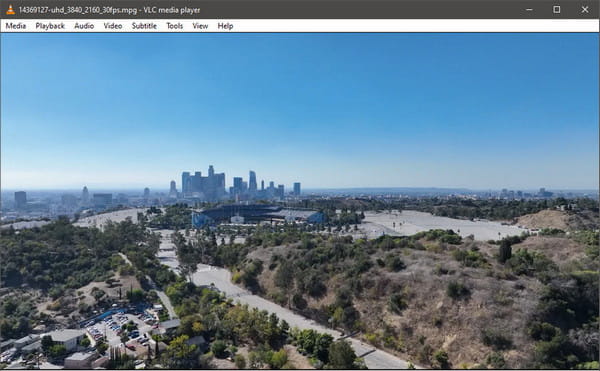
On Windows, you can use the VLC Media Player to open and play MPG files. This media player software fully supports the playback of older formats, including MPG and MPEG.
To play: Go to the Media tab and select Open File to import the MPG file. You can also drop the file directly into the interface to start the playback. Once loaded, it plays automatically.
Mac
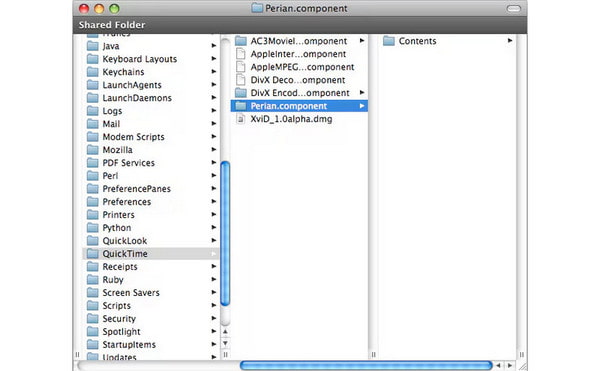
QuickTime can play MPEG-1 encoded in the MPG format, but it does not support MPEG-2. However, installing the Perian plug-in component can help, but it is a discontinued project.
To play: Download the Perian component, then double-click the preference pane installer to add it to your system. Restart QuickTime Player and open your .mpg file.
Linux
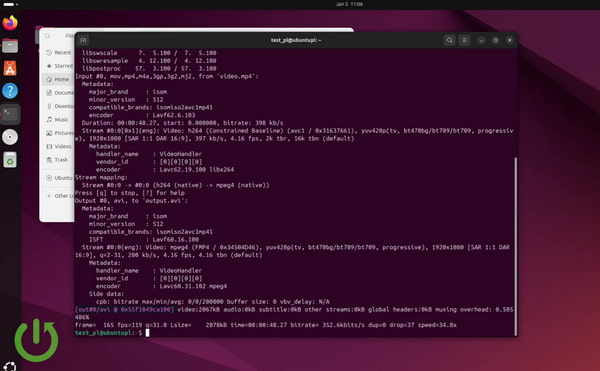
FFplay is a portable multimedia player native to Linux. It uses the FFmpeg multimedia libraries and the SDL library to play audio and video files.
To play: Open a terminal and navigate to the folder where your MPG file is saved. Then, run ffplay [filename].mpg on your terminal to play it.
Smart TVs
Smart TVs can play MPG video formats, but support depends on the video and audio codecs used in the file. Many smart TVs drop support for MPEG-1 and MPEG-2, which are used in .mpg files. The best option you have is connecting a PC to your TV with an HDMI cable.
How to Convert MPG to MP4 for Modern Devices (Without Quality Disaster)
AnyMP4 Video Converter Ultimate is a professional video-to-video conversion software. It can convert MPEG-2 MPG files to MP4 format with H.264/HEVC encoding. It can process hundreds of files simultaneously without experiencing lag or crashes. It also uses the most advanced hardware-accelerating media processing to achieve 120× speed. Better yet, you can adjust the encoder, bitrate, and sample rate to ensure smooth playback.
Important Note
For DVD-quality MPG footage, choose a higher bitrate to keep the original details during re-encoding.
1. Download AnyMP4 Video Converter Ultimate and complete the installation.
After setup, click +Add Files in the Converter tab and import the MPG sources.
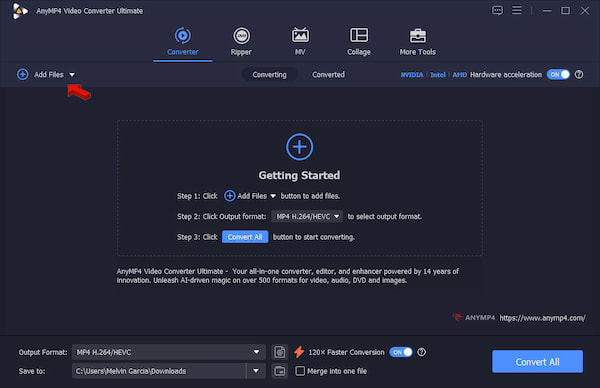
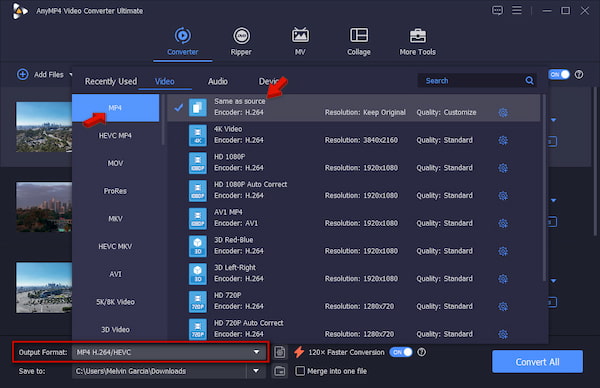
2. Navigate to Output Format and select MP4 under the Video category. Select Same as Source as your quality preset to preserve the exact quality of your MPG source.
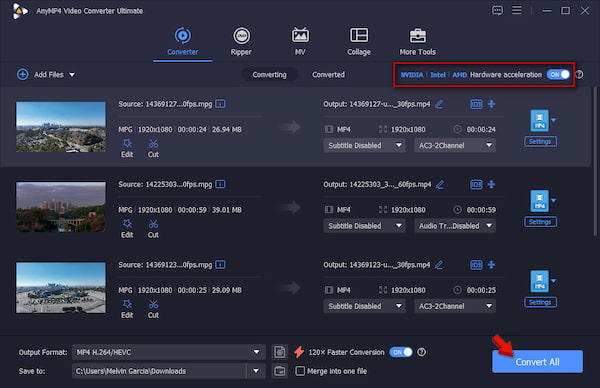
3. Turn on the Hardware Acceleration button to speed up the conversion. Set the output destination, then click Convert All to batch-convert MPG to MP4.
Tip
Avoid using the 4K Video or HD 1080p quality preset, as they do not add real details to an old, low-resolution video. These presets only make the file size much larger without making the picture look any better. You can also use the same steps to convert MPG/MPEG to WMV.
Should You Archive Old MPG Videos? (Quality & Storage Guide)
To answer the outlined question, yes, you should keep the original MPG files. MPEG-2 is a highly compatible archival format for standard-definition (SD) content. However, because these files are large, you should also create a compressed H.264/HEVC copy for daily viewing and space-saving distribution.
FAQs about MPG Files
Is MPG the same as MPEG?
Yes, MPG and MPEG are the exact same video file format. The name differs only because older computer systems and early versions of Windows allowed only 3-letter file extensions.
Can I convert MPG to MP4 without losing quality?
No, minor quality loss still occurs because MPG and MP4 use different video compression methods. You can use a high bitrate setting or H.264 codec to minimize the quality loss.
How do I convert MPG to DVD?
You need a DVD authoring software to convert MPG to DVD. The process varies depending on the software you use. For your reference, click the link provided to see available tools and a quick guide.
Conclusion
MPG may be an old video format, but its role in DVDs, VCDs, television recordings, and early digital video makes it far from irrelevant. Understanding what MPG is helps you decide whether to preserve or convert an old file. For easier playback and compatibility with modern devices, AnyMP4 Video Converter Ultimate offers a solution to convert MPG files to MP4 while preserving the source's visual quality as closely as possible.

 but less efficient




 Add your comments to join the discussion here